Mini Vending Machines: Benefits, Applications, and Operating Challenges
Mini vending machines provide a compact way to sell everyday products in locations where a full-sized vending machine may be impractical. Depending on their design, these machines can dispense snacks, beverages, personal care products, travel essentials, and other small items in offices, hotels, residential buildings, and commercial facilities.
Their smaller footprint can make installation more flexible, while cashless payments and remote monitoring can simplify daily operations. However, capacity, payment options, refrigeration, and inventory management vary by model. Operators should evaluate the machine, its intended location, and its ongoing service requirements before investing.
This guide explains the main features of mini vending machines, their potential applications, their operational benefits and limitations, and the factors to consider when choosing a model.
1. Mini Vending Machines Can Combine Compact Design with Smart Technology
Modern mini vending machines can offer more than a small cabinet for dispensing products. Depending on the model and configuration, they may incorporate digital payment systems, connected monitoring tools, and automated inventory management features.
Cashless Payment Options Can Simplify Purchases
Many modern vending machines support cashless payments through bank cards, contactless payment terminals, mobile wallets, or QR codes. These options can make purchases more convenient and reduce the need to collect and manage cash.
Available payment methods depend on the installed payment terminal, payment service provider, and target market. Operators should confirm local payment compatibility before purchasing equipment for overseas deployment.
Smart Sensors and Computer Vision Can Support Transaction Accuracy
Some advanced vending machines use weight sensors, cameras, or computer vision to help identify selected products and verify transactions. These technologies can support automated checkout and help reduce certain transaction errors.
However, recognition methods differ across machine types. Traditional spiral vending machines, for example, typically dispense products through motor-driven spirals, while AI vision cabinets may use cameras and other sensors to identify items taken by customers.
The appropriate technology depends on the product range, shopping process, budget, and operational requirements.
Remote Monitoring Can Improve Inventory Management
Connected vending machines may allow operators to monitor sales, stock levels, equipment status, and selected operating conditions through a remote management platform.
Depending on the system, alerts can help operators identify low inventory, temperature deviations, or equipment faults. Sales data can also support better replenishment planning and product selection.
Remote management does not eliminate the need for physical inspections or restocking, but it can help operators organize these tasks more efficiently.
Refrigeration and Energy Features Depend on the Machine Design
Some mini vending machines are designed for ambient products, while others include refrigeration for beverages or selected food items. Available cooling systems, temperature ranges, and energy-saving features vary by model.
When evaluating a refrigerated machine, operators should review its specified operating temperature, energy consumption, ambient temperature requirements, and maintenance needs. Refrigerant type alone is not enough to determine the overall energy efficiency of a machine.
2. A Compact Footprint Can Expand Vending Machine Placement Options
The main appeal of mini vending machines is their potential to serve locations where floor space is limited or where consumers need convenient access to a focused range of products.
Small Spaces Can Accommodate Additional Retail Services
Depending on the machine's dimensions and installation requirements, potential locations include office reception areas, hotel corridors, residential lobbies, university dormitories, waiting areas, and other commercial spaces.
Before installation, operators should confirm the available floor area, door-opening clearance, electrical supply, network coverage, and access for replenishment and maintenance. Public locations may also require additional attention to accessibility, security, and building rules.
Products Can Be Selected for Immediate Local Needs
A smaller machine encourages operators to focus on products that match the needs of a specific location.
For example, an office machine might offer packaged snacks, drinks, and charging cables. A hotel machine could provide travel toiletries, toothbrushes, and universal power adapters. A residential building might benefit from a selection of frequently needed household essentials.
The best product mix depends on customer demand, purchasing costs, shelf life, storage conditions, and the space available inside the machine.
Smaller Equipment May Reduce Some Initial Costs
Depending on its design and features, a mini vending machine may cost less than a larger, more complex model. Its smaller footprint may also expand the number of locations worth evaluating.
However, a smaller machine does not automatically guarantee lower total operating costs. Purchase price, payment services, software, delivery, installation, site fees, replenishment, and maintenance should all be included when evaluating an investment.
Compact Designs Can Fit Different Commercial Environments
Mini vending machines may be suitable for modern offices, boutique hotels, residential developments, and other spaces where equipment appearance matters.
Operators should consider the cabinet's dimensions, finish, lighting, screen placement, and overall appearance in relation to the surrounding environment. Customization options vary by manufacturer and model.
3. Mini Vending Machines Can Serve a Wide Range of Product Categories
Although snacks and beverages remain common vending products, compact machines can also support other product categories when the cabinet layout, dispensing mechanism, and storage conditions are suitable.
| Product Category | Example Products | Key Considerations |
|---|---|---|
| Consumer Electronics | Charging cables, wall adapters, earbuds, small accessories | Product packaging, item dimensions, and value |
| Travel Essentials | Toothbrushes, travel toiletries, eye masks, adapters | Guest demand and product variety |
| Personal Care and Beauty | Deodorant, oral care products, skincare, travel cosmetics | Packaging size, storage conditions, and applicable regulations |
| Office Supplies | Pens, notebooks, highlighters, desk accessories | Product dimensions and replenishment frequency |
| Snacks and Beverages | Packaged snacks, bottled drinks, selected chilled products | Capacity, shelf life, and refrigeration requirements |
| Household Essentials | Small daily necessities and selected convenience items | Local demand, packaging, and product compatibility |
| Regulated Products | Certain medicines or other regulated goods, where legally permitted | Applicable laws, sales restrictions, and storage requirements |
Not every product is suitable for every vending machine. Before selecting inventory, operators should confirm product dimensions, weight, packaging, dispensing compatibility, and any temperature or regulatory requirements.
Product profitability also varies. Purchase price, selling price, location commission, payment processing, spoilage, and replenishment costs all influence the actual margin.
4. Mini Vending Machines Offer Operational Advantages but Still Have Limitations
Mini vending machines can support unattended retail in compact spaces, but their performance depends on location quality, product selection, equipment reliability, and ongoing service.
Compact Equipment May Reduce Space Requirements
Smaller machines can occupy less floor space than many full-sized vending machines. This may create opportunities in locations where a larger cabinet would be difficult to accommodate.
Nevertheless, operators still need to account for safe access, customer circulation, replenishment, and maintenance.
Remote Management Can Support Gradual Business Expansion
Operators can begin with a small number of machines and expand as they learn which locations and products perform well. Remote monitoring and sales reports may help manage multiple machines, although the effectiveness of these tools depends on the software and connectivity available.
Expansion should be based on actual sales, service requirements, and route efficiency rather than the number of machines alone.
Sales Data Can Inform Product and Pricing Decisions
Sales records can help operators identify popular products, slow-moving inventory, and periods of higher demand. This information can inform product selection, replenishment schedules, and pricing decisions.
Dynamic pricing and automated recommendations may be available in some systems, but operators should verify whether these features are supported and appropriate for their business model.
Unattended Sales Still Require Ongoing Management
Vending machines can accept purchases without a salesperson present, potentially extending sales beyond the operating hours of traditional staffed retail counters.
However, unattended sales do not mean that the business runs without human involvement. Operators still need to replenish inventory, clean equipment, resolve payment issues, respond to faults, and handle customer inquiries.
Compact Machines Can Create Targeted Brand Exposure
Businesses and consumer brands may use vending machines to make products available at specific customer touchpoints. A well-positioned machine can provide convenient access to products in workplaces, hotels, residential buildings, and other relevant environments.
The value of this exposure depends on location traffic, audience fit, product selection, and the visibility of the machine.
5. Operators Can Manage Mini Vending Machine Challenges Through Careful Planning
Mini vending machines introduce some specific operating considerations, particularly when many small units are distributed across different locations.
Limited Capacity Requires Careful Product Selection
A compact cabinet cannot hold as much inventory as a larger machine. Operators should prioritize products with suitable dimensions, reliable demand, and appropriate margins.
Tracking sales and stockouts can help determine which products deserve limited shelf space.
Distributed Machines Require Efficient Restocking Routes
Managing several small machines across different locations can increase travel time and service complexity. Operators should group locations where practical, schedule replenishment according to demand, and consider the cost of each service visit.
A machine with strong sales may still be less profitable if it requires frequent trips to a distant location.
Technical Downtime Can Interrupt Sales
Payment failures, network outages, refrigeration problems, and mechanical faults may prevent customers from completing purchases.
Operators can reduce disruption by monitoring available status alerts, inspecting machines regularly, keeping appropriate spare parts, and confirming the manufacturer's maintenance and technical support arrangements.
Public Locations May Require Additional Security
Machines placed in accessible public areas may be exposed to vandalism, tampering, or attempted theft. Suitable measures may include secure placement, appropriate cabinet construction, reliable locking systems, and installation in monitored areas.
Security requirements should reflect the location and machine design. No single measure can eliminate every risk.
Reliable Infrastructure Supports Consistent Operation
Machines require suitable electrical power and, where applicable, reliable network connectivity. Refrigerated models may also need adequate ventilation and an operating environment within their specified temperature range.
Operators should confirm these requirements with the supplier before arranging delivery and installation.
6. Buyers Can Evaluate Mini Vending Machines Against Seven Practical Criteria
Choosing the right machine involves more than comparing cabinet size or purchase price. The equipment should match the products being sold, the installation environment, and the operator's service capabilities.
Available Space and Installation Requirements
Measure the installation area and confirm the machine's width, depth, and height. Allow sufficient clearance for customers, door opening, replenishment, and maintenance.
Also verify access routes for delivery and any applicable building or accessibility requirements.
Product Dimensions and Storage Capacity
Check the dimensions and weight of the intended products. Confirm whether the machine's shelves, spirals, compartments, or dispensing mechanisms can accommodate them.
Nominal capacity figures may not reflect the actual number of products that can be stored, particularly when product packaging varies.
Payment Compatibility
Identify the payment methods customers are likely to use. Confirm whether the machine supports the required card terminals, mobile wallets, or QR-code payment services in the target country.
Ask about transaction fees, connectivity requirements, settlement arrangements, and any recurring service charges.
Refrigeration and Temperature Requirements
If the machine will sell chilled products, verify its temperature range, cooling performance, energy consumption, and ambient operating requirements.
Food products may also require specific storage, monitoring, cleaning, and handling procedures under applicable local regulations.
Remote Monitoring and Software
Ask which functions are available through the management platform. These may include sales reports, inventory monitoring, temperature alerts, fault notifications, and remote price updates.
Confirm whether software access involves recurring fees and whether the platform supports the intended payment and reporting requirements.
Warranty, Maintenance, and Technical Support
Review the warranty period, covered components, exclusions, spare-parts availability, and support arrangements.
For overseas purchases, also clarify how technical issues will be handled, whether remote troubleshooting is available, and who is responsible for local repairs.
Total Cost of Ownership
Calculate the expected cost over a realistic operating period rather than considering the machine price alone.
A useful framework is:
Total Cost of Ownership = Equipment Purchase + Shipping and Installation + Software and Payment Fees + Site Costs + Inventory Handling + Maintenance and Repairs + Other Operating Expenses
Estimate potential revenue separately, using realistic assumptions about customer traffic, purchase frequency, average transaction value, and product margins. Actual results will depend on the location and operating model.
7. Mini Vending Machines Still Require Consistent Day-to-Day Operations
Reliable operation depends on a practical service routine. Even machines with remote monitoring and automated payment systems need regular attention.
Operators should establish procedures for:
Restocking products according to sales and stock levels.
Checking expiration dates and removing unsuitable products.
Cleaning product-contact areas and customer-facing surfaces.
Inspecting locks, doors, dispensing mechanisms, and payment terminals.
Reviewing fault alerts and resolving failed transactions.
Monitoring refrigeration and other operating conditions where applicable.
Tracking sales, stockouts, waste, refunds, and service visits.
Reviewing product performance and adjusting the assortment.
These tasks help maintain a consistent customer experience and provide the information needed to improve the operation over time.
8. Smart Features and Digital Integration May Shape the Future of Mini Vending
Mini vending machines may continue to evolve as connected retail technology becomes more widely available. The practical value of these developments will depend on equipment design, software compatibility, cost, and customer needs.
Data-Driven Inventory Planning May Improve Replenishment
Sales histories and inventory records can help operators forecast demand and plan replenishment. Some advanced systems may incorporate additional information, such as seasonal trends or local events, where suitable data is available.
These tools can support decision-making, but forecasts should be evaluated against actual sales and stock records.
Specialized Refrigeration May Support More Product Options
Some vending systems are designed with specific temperature-control capabilities for selected product categories. Multi-zone refrigeration may be useful for certain applications, but it is not a standard feature of all compact machines.
Buyers should verify temperature zones, usable capacity, and product compatibility before assuming that different categories can be stored together.
Touchscreens and Digital Displays May Improve Product Presentation
Depending on the model, screens can display product information, prices, promotional content, or purchasing instructions. These features may help customers understand the available products and support promotional activities.
The value of a screen depends on the location, audience, product range, and the cost of maintaining the content.
Energy Efficiency and Responsible Packaging Remain Important Considerations
Operators can evaluate energy consumption, refrigeration performance, maintenance requirements, and packaging waste when selecting equipment and products.
Claims about environmental performance should be based on measurable specifications and relevant evidence rather than assumptions about individual components.
Digital Integration May Connect Vending with Wider Retail Systems
Some vending solutions can integrate with remote management platforms, payment services, or selected business systems. Depending on the implementation, future applications may include digital promotions, loyalty programs, or app-based product reservations.
Compatibility and integration costs should be confirmed before these features are included in a business plan.
Conclusion: Mini Vending Machines Can Support Flexible, Location-Based Retail
Mini vending machines offer a compact option for businesses and operators that want to make selected products available in offices, hotels, residential buildings, and other commercial environments.
Their main advantages include flexible placement, targeted product selection, and the potential to simplify sales and monitoring through connected technology. Their limitations include smaller storage capacity, replenishment requirements, technical dependencies, and the need for ongoing maintenance.
The most suitable machine depends on the products being sold, the available space, customer demand, payment requirements, and the total cost of operating the equipment.
For businesses exploring compact vending solutions, comparing machine types, specifications, and service requirements is an important first step toward choosing equipment that fits the intended application.
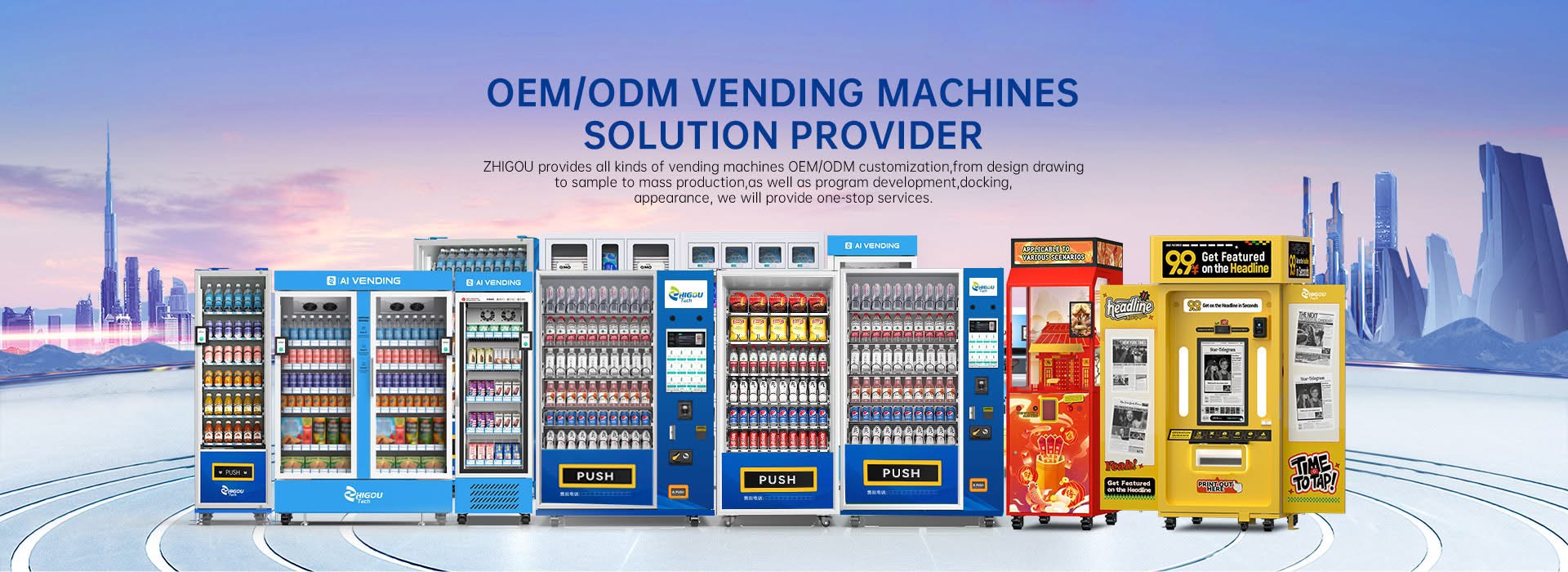
Zhigou Technology provides vending equipment options, including spiral vending machines and AI vision smart vending cabinets. Buyers can evaluate available configurations according to their product range, installation environment, payment needs, and operational goals to identify a suitable solution.