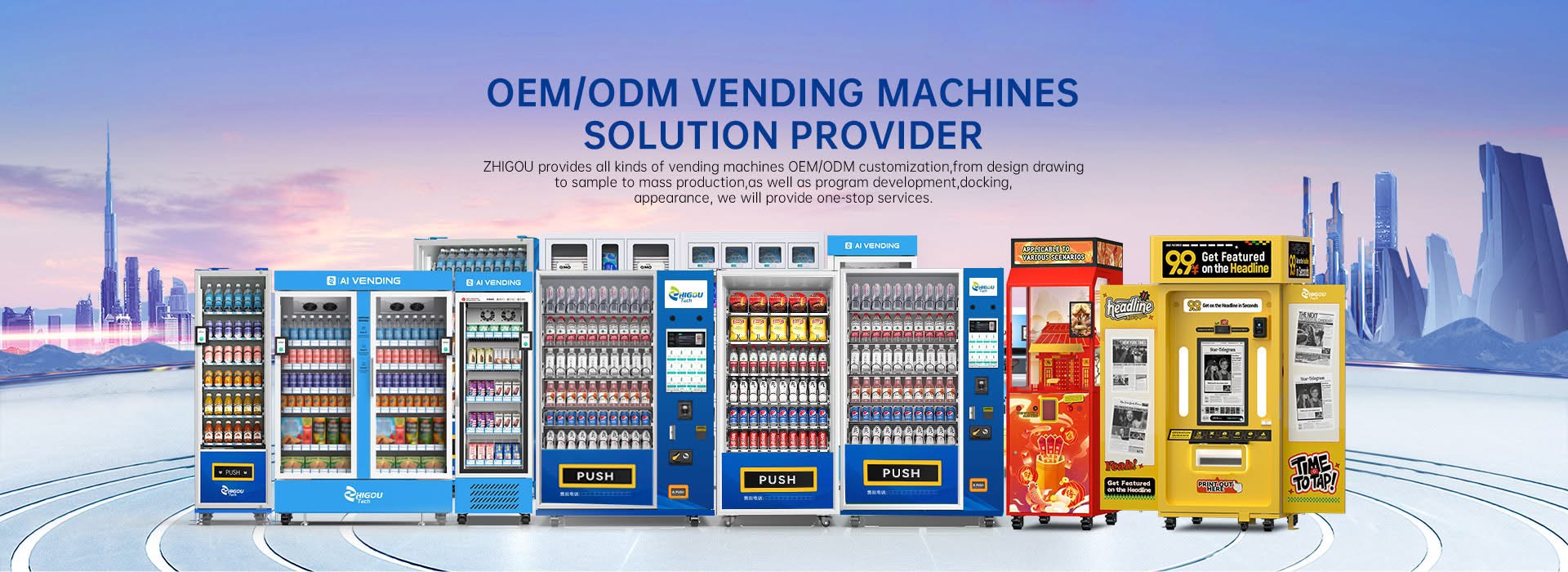
When a customer orders an espresso or latte from a modern coffee vending machine, a highly synchronized sequence of fluid dynamics, thermodynamics, and mechanical automation occurs within seconds [1]. Behind the intuitive touchscreen interface lies a complex network of industrial subsystems designed to deliver fresh, coffeehouse-quality beverages. Whether you are evaluating a coffee vending machine for sale to expand an existing retail portfolio, upgrading corporate amenities, or analyzing the operational economics of entering the coffee vending machine business, understanding how a commercial coffee vending machine functions internally is essential for optimizing hardware performance, minimizing maintenance downtime, and maximizing long-term profit.
+------------------+     +-------------------+     +-------------------------+
|  1. Water Intake | --> | 2. Precision Heat | --> | 3. Hydraulic Extraction |
|   & Filtration   |     |    & 9 Bar Pump   |     |   & Grinding Assembly   |
+------------------+     +-------------------+     +-------------------------+
                                                                |
+------------------+     +-------------------+                  v
|  5. Automated    | <-- | 4. Powder Augers  | <----------------+
|  Cup Dispensing  |     | & High-RPM Mixers |
+------------------+     +-------------------+
1. Core Engineering Mechanics of a Commercial Coffee Vending Machine
The mechanical foundation of a commercial coffee vending machine—whether designed as a tabletop unit or a free-standing self-service kiosk—relies on five primary subsystems working in complete harmony to deliver high-quality espresso and specialty drinks [2].
[ Water Line / Tank ] ──> [ Dual Boiler ] ──> [ Ceramic Grinder ] ──> [ Brew Group ]
                                                                             │
[ Dry Powder Canisters ] ────────────────────────────────────────────────────┴──> [ High-Speed Mixer ] ──> [ Cup Delivery ]
Water Filtration, Fluid Circuitry, and Pressure Control
The brewing process inside a commercial coffee vending machine begins with water intake, which directly influences beverage taste and internal component life [3]. These machines connect directly to a dedicated municipal line or draw from large internal water reservoirs using industrial-grade diaphragm pumps. Before reaching the heating assembly, incoming water passes through multi-stage filtration cartridges containing sediment filters, activated carbon blocks, and ion-exchange resins. This process eliminates particulate impurities, neutralizes chlorine off-flavors, and prevents scale buildup inside boiler units. Once filtered, high-pressure rotary vane pumps force water into the system at a continuous nine bars of pressure, creating the ideal hydraulic force required for authentic espresso extraction [1, 2].
Thermal Management, Bean Grinding, and Hydraulic Brewing Assemblies
Thermal stability in a high-throughput commercial coffee vending machine is maintained by heavy-duty brass or stainless-steel dual boilers and thermoblocks, which heat purified water to an optimal extraction window of ninety to ninety-six degrees Celsius [1]. Simultaneously, integrated conical burrs made of hardened ceramic or steel grind a precise dose of fresh coffee beans—typically seven to fourteen grams per shot. A motorized piston tampers the fresh coffee grounds inside the hydraulic brewing chamber under fifteen to twenty kilograms of force [2]. Hot water under nine bars of pressure is driven through the compacted coffee bed, initiating a short pre-infusion bloom before full extraction occurs. Once finished, the hydraulic piston automatically rotates to eject the spent coffee puck into an internal waste chute, resetting the unit for the next customer.
+-----------------------------------------------------------------------------------+
|                            Hydraulic Brew Assembly                                |
|                                                                                   |
|  [Dosing] ──> [Tamping (15-20kg)] ──> [Pre-Infusion] ──> [Extraction (9 bar)]    |
|                                                                                   |
|                                 [Puck Ejection] <─────────────────────────────────┘
+-----------------------------------------------------------------------------------+
Dry Powder Dosing, High-Speed Emulsification, and Automated Delivery
To prepare beverages requiring powdered milk, cocoa, or matcha, the coffee vending machine uses precision auger feeders driven by micro-stepper motors situated at the base of sealed dry storage canisters. These augers dose exact amounts of powder into dedicated mixing bowls, where hot water meets the dry ingredients. Whisking impellers spinning at up to twelve thousand revolutions per minute whip the mixture into a thick, smooth foam without leaving dry lumps. Finally, internal cup turret mechanisms release a fresh cup onto the dispensing rack. Infrared safety sensors confirm cup placement before dispensing liquid, eliminating internal spills and preventing burns.
2. IoT Telemetry and Building a Profitable Coffee Vending Machine Business
Operating a successful coffee vending machine business in today's automated retail landscape relies on Internet of Things (IoT) connectivity, edge computing, and cloud telemetry platforms to streamline multi-location fleet management [4].
+-----------------------------------------------------------------------+
|                    Commercial Coffee Vending Unit                     |
|  (Embedded Sensors, Touchscreen Kiosk, MDB Payment Gateway, Telemetry) |
+-----------------------------------------------------------------------+
                                    │
                                    │ Encrypted 4G / 5G / Ethernet
                                    v
+-----------------------------------------------------------------------+
|                      Cloud Management Platform                        |
|   (Sales Analytics, Inventory Tracking, Maintenance & Diagnostics)   |
+-----------------------------------------------------------------------+
Modern smart equipment monitors internal boiler temperatures, flow rates, bean levels, and pump pressures using real-time sensor networks. Microcontrollers aggregate this telemetry and send key performance metrics to cloud management SaaS platforms over encrypted cellular connections [4]. In a modern coffee vending machine business, automated alerts inform operators instantly if operational parameters drift or if hardware errors occur, enabling rapid preventive repairs before machines suffer costly downtime.
Predictive inventory algorithms built into the telemetry software track consumption patterns and alert route managers when bean hoppers or milk powder canisters drop below critical capacity [4]. Furthermore, integrated cashless payment hardware uses Multi-Drop Bus (MDB) protocols to link the user interface with credit card readers, mobile QR wallets, and corporate ID systems, securing transactions in seconds while maximizing convenience for daily buyers [5].
3. Maintenance SOPs for Keeping Every Commercial Coffee Vending Machine Hygienic
Ensuring food safety and beverage consistency in a high-demand coffee vending machine business requires automated internal flush routines combined with disciplined physical preventive maintenance [3, 6].
Daily Auto-Flush Routine ──> Weekly Deep Sanitation ──> Monthly Component Calibration
Smart machines run automated self-cleaning cycles during idle hours and immediately following milk-based beverage prep. These auto-rinse protocols flush water hotter than eighty-five degrees Celsius through liquid lines, mixing bowls, and dispensing spouts to dissolve milk residues and prevent bacterial contamination [6]. Automated chemical cleaning routines also run during scheduled off-peak windows to dissolve oily coffee deposits inside the brewing group.
To complement automated software rinses, field technicians follow structured preventive maintenance routines [3]. Daily maintenance involves clearing spent coffee puck bins, sanitizing liquid drip trays, and wiping dry powder chutes to stop moisture-related blockages. On a weekly or monthly schedule, technicians remove the brewing assembly for manual deep cleaning, recalibrate grinder burr gaps, swap water filter cartridges, and run descaling agent through boiler lines to keep the equipment running smoothly.
| Operational Interval | Maintenance Task | Performance Objective |
| Daily Maintenance | Empty spent puck containers, wipe drip trays, clean powder chutes. | Prevents mold, bacterial growth, and powder blockages [6]. |
| Weekly Maintenance | Remove and sanitize brew assembly, inspect whipping bowls. | Preserves drink taste, aroma consistency, and hygiene. |
| Monthly / Quarterly | Replace water filtration cartridges, adjust grinder burrs, descale boilers. | Prevents mineral buildup, maintains pump pressure and brew precision [3]. |
4. How to Select the Ideal Coffee Vending Machine for Sale
When searching for the right coffee vending machine for sale, buyers must carefully evaluate location traffic, expected cup volume per day, physical footprint constraints, and operational goals.
[ Low-to-Medium Volume Offices ] ──> Compact Tabletop Bean-to-Cup Machines
[ High-Traffic Public Venues ]   ──> High-Capacity Free-Standing Kiosks
Compact tabletop bean-to-cup models are ideal for office pantries, corporate lounges, hotel breakfast areas, and executive suites where space is limited and quiet operation is necessary. These units offer direct water line plumbing, touchscreen selection menus, and low-maintenance brew assemblies capable of preparing fifty to one hundred cups daily without constant refilling.
For busy public environments like international airports, transit hubs, university campuses, and hospitals, heavy-duty free-standing smart kiosks represent the ideal hardware architecture. These robust units feature double bean hoppers, large powder canisters, automatic cup and lid drop mechanisms, anti-vandalism housing, and full cloud telemetry integration designed for intensive continuous operation.
As an industry leader in automated retail solutions, 智购科技 (Zhigou Technology) offers high-performance equipment designed for scalability, continuous uptime, and maximum ROI. If you are searching for a reliable coffee vending machine for sale or expanding your fleet, our commercial [智购科技自助售货机] (automated self-service vending machines) and smart coffee terminals feature heavy-duty Italian brew groups, precision Swiss grinding systems, and integrated cloud management software. With 智购科技 equipment, operators can effortlessly manage multi-location beverage fleets, track real-time sales, and run a highly efficient automated retail operation.
Ready to Upgrade Your Automated Retail Fleet?
Discover how 智购科技 smart vending technology can elevate your business.
Browse our complete selection of [智购科技自助售货机] and commercial coffee solutions.
Contact our engineering team today to discuss custom OEM/ODM deployment opportunities.
References / 参考文献
[1] Specialty Coffee Association (SCA). (2020). Standard for Brewing Coffee and Espresso Extraction Standards. Specialty Coffee Association Guidelines.
[2] Illy, A., & Viani, R. (2005). Espresso Coffee: The Science of Quality (2nd ed.). Academic Press.
[3] Water Quality Association (WQA). (2018). Commercial Water Treatment for Foodservice Equipment: Technical Report. WQA Publications.
[4] National Automatic Merchandising Association (NAMA). (2022). State of the Industry Report: Unattended Retail & IoT Telemetry Adoption. NAMA Industry Insights.
[5] Multi-Drop Bus / Internal Communication Protocol (MDB/ICP). (2019). MDB Version 4.3 Technical Specification Standard. National Automatic Merchandising Association.
[6] U.S. Food and Drug Administration (FDA). (2022). Food Code 2022: Chapter 4 - Equipment, Utensils, and Linens (Sanitation Standards for Vending Machines). U.S. Public Health Service.