A vending machine quotation can appear complete yet leave vital operational details unanswered. Will your equipment fit through the site's narrowest doorway? Can you seamlessly activate its payment processor under your own business entity? Who takes charge when a mechanical fault occurs post-delivery? Recognizing common vending machine mistakes early is essential to protecting your initial capital investment and building a long-term automated retail route.
When planning an equipment purchase, first-time entrepreneurs must evaluate physical hardware, location logistics, product profit margins, and daily route operational costs as interdependent pillars of a single business model. Verifying that all these factors align before committing to an equipment vendor helps you avoid frequent vending machine buying mistakes and build a scalable, low-friction operation from day one.
Mistake 1: Buying Before Location Requirements and Demographics Are Clear
One of the most frequent vending machine mistakes is ordering hardware before fully understanding the physical or commercial realities of the deployment site. Before you buy a vending machine, successful operators design their setup around end-user traffic, local customer demographics, planned product inventory, designated floor space, and the access routes needed for restocking and maintenance.
Always negotiate directly with the person authorized to grant placement rights. Friendly introductions or equipment broker promises do not constitute an official site agreement.
Key venue factors to resolve before ordering your first vending machine:
Demographic Fit: Matching inventory to foot traffic (e.g., high-protein snacks for gyms vs. hot coffee and quick meals for hospital shift workers).
Space & Power: Precise floor placement, door clearance, and proximity to dedicated electrical outlets.
Commercial Terms: Rental fees, commissions, or profit-sharing percentages clearly outlined in writing.
Exclusivity & Access: Installation schedules, venue operating hours, and existing vendor exclusivity contracts.
Obtain written confirmation of site terms before treating a location as secured. Comparing equipment options is vital, but integrating site requirements into your machinery selection will prevent setup delays and unexpected site incompatibilities.
Mistake 2: Neglecting the Transit Route and Physical Clearances
Measuring the final placement area is only the first step. Another critical entry among common vending machine buying mistakes is overlooking the full delivery path—from the unloading dock through entryways, tight corners, elevators, and steps.
Provide precise corridor dimensions and site photographs to your logistics provider. Request written verification that the chosen delivery method accounts for your unit's total packaged weight, depth, and height.
Review the manufacturer's technical specifications for electrical supply, ambient temperature limits, and service access clearance. Remember to account for front door swing clearance and rear ventilation spacing rather than relying solely on static cabinet footprints.
Mistake 3: Selecting Features Without Testing Dispensing or Product Margins
High-definition touchscreens and smart inventory modules are useless if the internal mechanism jams your packaging or if your inventory carries poor profit margins. Skipping live dispense trials with actual stock is among the most avoidable vending machine mistakes when setting up your first vending machine.
In addition to physical mechanics, novices often fail to balance product popularity with profitability. Selling recognizable brand-name snacks is important, but over-indexing on low-margin items leaves little room for spoilage, fuel, and processing fees.
Before finalizing hardware and inventory specifications, confirm:
A detailed tray, shelf, and lane configuration layout in writing.
Documented drop-test results for your specific product package sizes.
Target profit margins (aiming for a 2x to 3x markup on wholesale cost across your product mix).
Mistake 4: Comparing Upfront Machine Prices Instead of Total Cost of Ownership
Comparing equipment proposals based solely on cabinet pricing can lead to severe budget errors. When you plan to buy a vending machine, a low initial quote may exclude freight charges, installation support, payment reader hardware, or recurring software fees.
Novice operators often get caught off guard by hidden operating expenses, including commercial liability insurance, credit card processing fees (typically 4%–6% per transaction), and telemetry software subscriptions.
Expense Area | Key Clarification Points |
Delivery & Setup | Freight, lift-gate service, final indoor placement, and transit insurance liability |
Payment Activation | Hardware cost per reader, gateway setup fees, and per-transaction processing rates |
Software & Telemetry | SaaS platform costs, SIM card data subscriptions, and offline hardware behavior |
Hidden Overheads | Commercial insurance premiums, location commissions, and fuel allowance |
Technical Support | Warranty duration, spare parts availability, remote support, and labor fees |
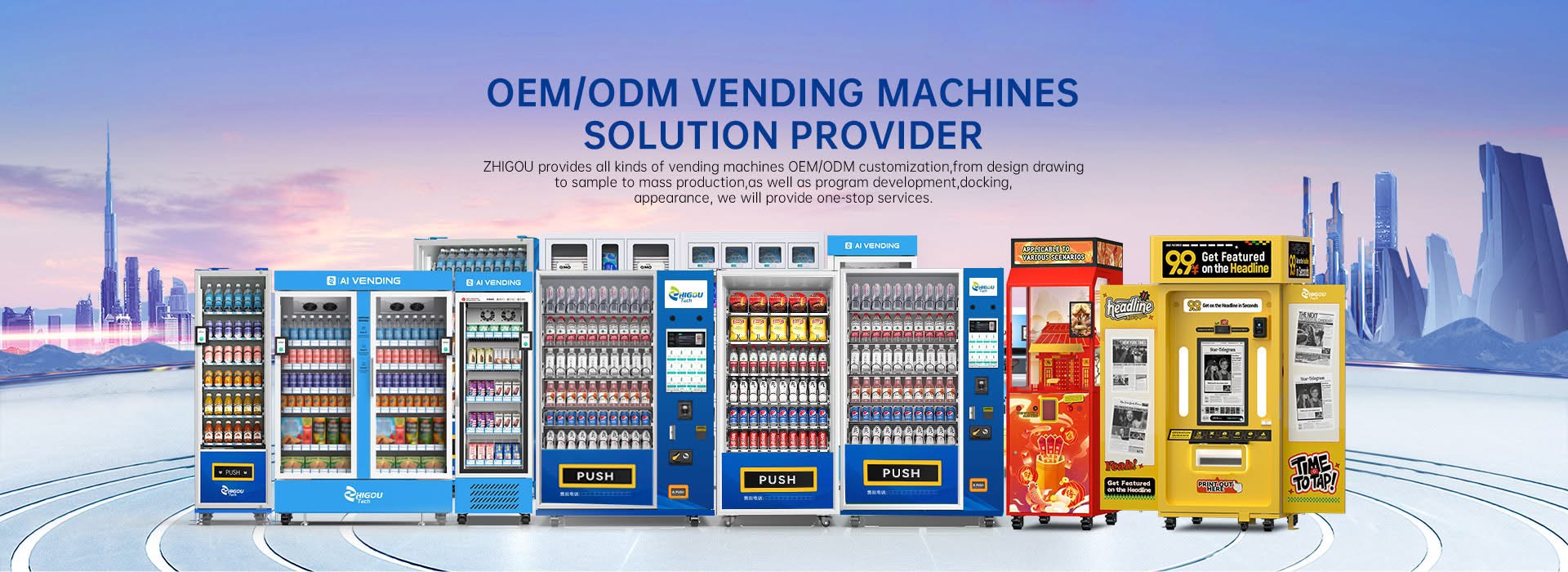
Evaluating structured manufacturers like Zhigou Technology helps streamline this evaluation. As a specialized automated retail equipment producer, Zhigou Tech provides itemized quotations for its commercial Zhigou vending machine line, clearly delineating hardware, telemetry, and payment integrations so operators avoid unexpected financial surprises.
Mistake 5: Judging Used Equipment Solely by Appearance and Omitting Spare Parts
A fresh paint job or polished glass cabinet does not guarantee reliable operation. To avoid major vending machine buying mistakes on the secondary market, requesting serial numbers, complete maintenance logs, and component replacement histories is crucial.
Furthermore, acquiring obsolete machinery with discontinued control boards or unavailable refrigeration parts can instantly freeze your business.
Request a live operational demonstration of the specific unit being sold. Inspect the main control board, payment reader response, refrigeration cooling speed, and controller diagnostic access. For refrigerated units, monitor internal temperatures over an extended period rather than relying on a static digital display reading.
Hiring an independent service technician to evaluate used units before purchase helps prevent hidden repairs and costly initial downtime when launching your automated retail route.
Mistake 6: Assuming Payment Accounts and Software Licenses Transfer Automatically
Purchasing hardware equipped with a card reader does not mean transaction payouts automatically route to your business bank account. Neglecting payment processor onboarding and software license migration is one of the most common administrative vending machine mistakes made by new operators.
Verify whether the telemetry module can be legally transferred, what business documentation is required, and how long account activation takes. Obtain fee structures directly from the payment gateway provider.
│Case to YOUR Account
Never rely on test transactions executed under the seller's merchant account as a final handover test. Complete a live test transaction connected directly to your own verified merchant account before placing your equipment into active commercial service.
Mistake 7: Accepting Vague Warranty Assurances and Lacking a Maintenance Plan
Relying on informal seller assurances regarding warranty coverage can disrupt your route operations when component failures occur during peak business hours with your first vending machine.
Without a routine preventive maintenance strategy—such as cleaning refrigeration coils, checking coin mechanisms, and updating firmware—minor wear quickly escalates into total machine outages and spoiled inventory.
Clarify all warranty terms in writing:
Which components are covered (compressor, main logic board, card reader, motors)?
Does coverage begin at factory dispatch or site installation?
Are replacement parts, emergency shipping, and technical labor included?
What is the preventive maintenance schedule and guaranteed technical response time?
Manufacturers like Zhigou Technology address these operational risks by building modular, quick-swap components into their Zhigou vending machines. Supported by factory-direct remote diagnostics, operators can troubleshoot technical issues rapidly without incurring major service delays.
Mistake 8: Inefficient Route Planning and Poor Inventory Management
A subtle yet devastating pitfall for new operators is poor route logic and uncontrolled inventory. Driving across town to restock a single half-empty machine drains profit through wasted gas and lost time. Similarly, overbuying slow-moving stock leads to expired products and dead capital.
To run a streamlined route and prevent these operational vending machine mistakes:
Leverage Telemetry Data: Use smart telemetry software to restock only when machine capacity hits predefined thresholds (e.g., 30% remaining).
Cluster Locations: Focus on expanding geographically clustered routes rather than taking isolated sites scattered across vast distances.
Track Expiration Dates: Practice First-In, First-Out (FIFO) inventory management during every restock visit.
Mistake 9: Overpaying for Locations and Neglecting Customer Relations
When purchasing a unit bundled with an existing location contract, confirm the placement terms directly with the site management team rather than relying solely on the seller's claims.
Never overpay for a site based on unverified dashboard screenshots. Ask for merchant processor settlement statements and tax documentation to confirm historical earnings. Once operational, failing to build a strong relationship with the site manager or ignoring customer refund requests can cause location owners to terminate your contract abruptly.
Always establish a clear customer refund policy (e.g., QR-code instant refunds via cash apps) and keep open communication channels with venue contacts to ensure long-term site retention.
Pre-Purchase Checklist: Avoid Vending Machine Mistakes
Before signing an equipment purchase order or submitting a deposit, complete this final operational review:
[ ] Location Approval: Site management has confirmed physical placement, access hours, and commercial terms in writing before you buy a vending machine.
[ ] Transit & Fitting Clearance: Doorways, elevators, hallways, and ventilation gaps match your equipment dimensions.
[ ] Inventory Dispense Testing: Package samples have been tested and verified across your planned tray configurations on your first vending machine.
[ ] Transparent Itemized Pricing: Quote includes freight, payment reader hardware, software SaaS subscriptions, and support fees to prevent costly vending machine buying mistakes.
[ ] Merchant Account Configuration: Payment gateway onboarding is verified, routing transaction funds directly to your bank account.
[ ] Route & Margin Planning: Product retail pricing guarantees healthy gross margins after accounting for location commission and transaction fees.
[ ] Documented Warranty Scope: Written warranty defines component coverage, labor terms, spare parts access, and remote diagnostic commitments.
Conclusion
Starting an automated retail route is an exciting milestone, but long-term profitability depends on thorough research and operational planning. By systematically evaluating site approvals, transit routes, inventory compatibility, total hardware costs, and technical support frameworks, you can avoid common vending machine mistakes and protect your investment. Partnering with transparent manufacturing providers—such as Zhigou Technology—ensures access to dependable Zhigou vending machine hardware alongside the diagnostic clarity needed to launch a successful automated retail enterprise.